
Trimester One Final Review
The Three Sprints
First Sprint: Tools and Onboarding Adventure
The first sprint regarding tools was relatively straightforward. Considering I had done both CSSE and CSP before this class, I already had all the tools downloaded that would be used for CSA.
Second Sprint: CSA Lessons
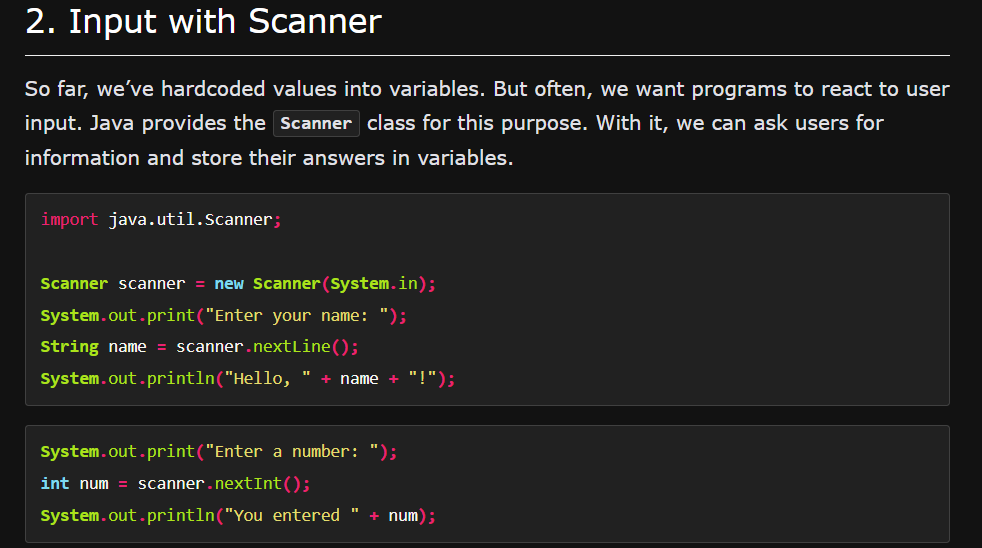
The second sprint was mainly centered around making a lesson regarding the AP CSA curriculum, particularly unit 1. The lesson I worked on 1.4 with my team was all about taking in input for users in Java. It was a bit rocky at the start, but it was an invaluable lesson in correcting and shaping our team dynamics go in the main and final project that we did in sprint 3.
In terms in shaping our understanding of collaborating with each other, it was certainly the most pivotal sprint.
Third Sprint: Frontend Module
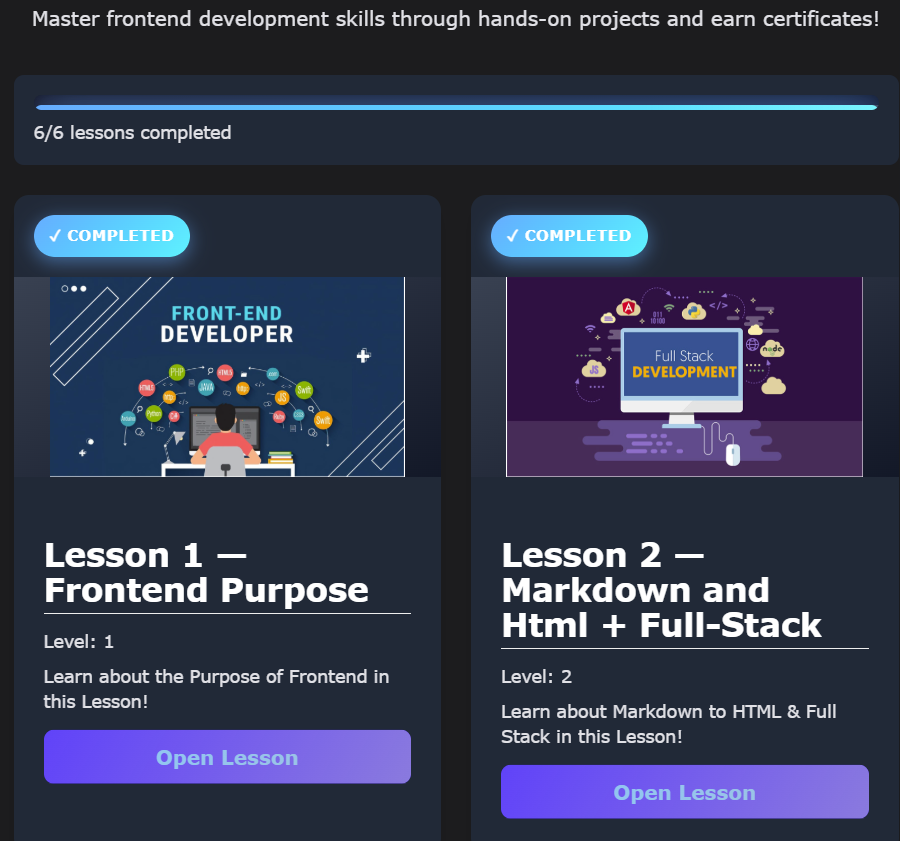
The last was a culmination of both what we learned regarding teamwork and likewise applying our technical knowledge onto making a comprehensive frontend module to present at Night of the Museum. It went, more so than the sprints before, relatively smoothly.
N@tM
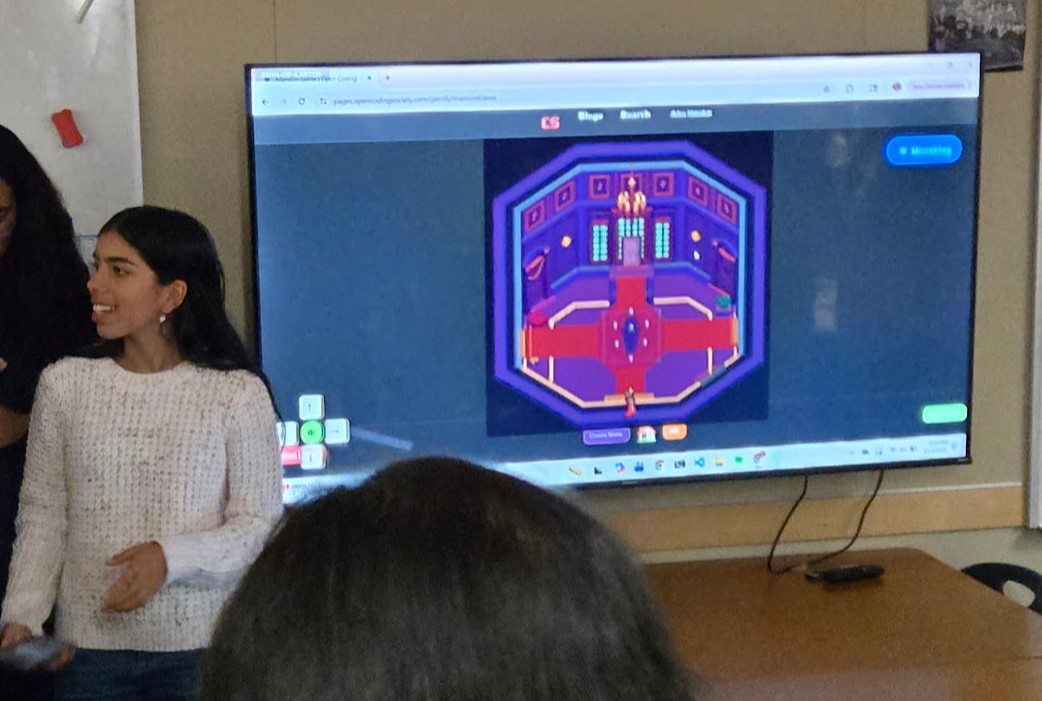
Our Presentation
By the time it was CSA’s time slot, the crowd had thinned quite a bit than its peak during CSSE’s presentation but we did have a few come around to our station, and they seemed impressed by what we had to present, the technical knowledge displayed, and the aim of the project that we had created.
Other Presentations
What caught my attention and the attention it seems of many others was the CSSE project. It had smooth transitions from project to project and the presentation seemed organized and thoroughly planned beforehand. As someone who has done CSSE, seeing what they did made me extremely curious about how they were able to pull all the technical details they had done.
MCQ Review
I’ll preface by saying, I was surprised by this MCQ in a manner that no MCQ that I had done in CSP had done. There was a particular conceptual topic that I’ll get into that “knocked me off my axis.”
My score was: 29 / 42
Breakdown by category:
| Category | Average Performance |
|---|---|
| Using Objects and Methods | 75% |
| Selection and Iteration | 69% |
| Class Creation | 100% |
| Data Collection | 56% |
It was surprising, and I can remember my eyes slowly widening as I saw it. But no matter for I believe I conceptual gap that was missing. That conceptual gap was: for loops. I know what they are, how they work, how to make them, but conceptualizing their iterations internally was what arose as that conceptual gap.
I’ll give an example question to illustrate the concept:
Question 33: What are the contents of arr after executing this code segment?
int[] arr = {10, 20, 30, 40, 50, 60};
for (int j = arr.length - 1; j >= 0; j -= 2)
{
   arr[j]++;
}
When I look at this question, I still am unsure of how to approach it conceptually. I understand generally how the code is working but working through the iterations in my head is not usually what I do when I’m making for loops. I usually just make a for loop, test it by running it, and make modifications if it has been incorrectly configured.
Regardless though, this is my plan to remedy this conceptual gap:
- First review the documentation on how the syntax workings of Java for and while loops
- Make exercises that utilizes for and while loops (example: matrices)
- Complete those exercises by creating the necessary for and while loops
- Predict, before running the code, how the output will be displayed to get that practice internalizing how loops work
- Run the code and see if my predictions were correct
- If not, understand why and note it down
Next Project: CSSE
A possible future project that I’m eyeing is working on the Game Engine and Game Layout regarding the game made by CSSE. The game, as mentioned before, seems well-organized and planned out, and I hope I can add onto the system that has been made for CSSE to make it more efficient, organized, and in-depth.
Extra Projects
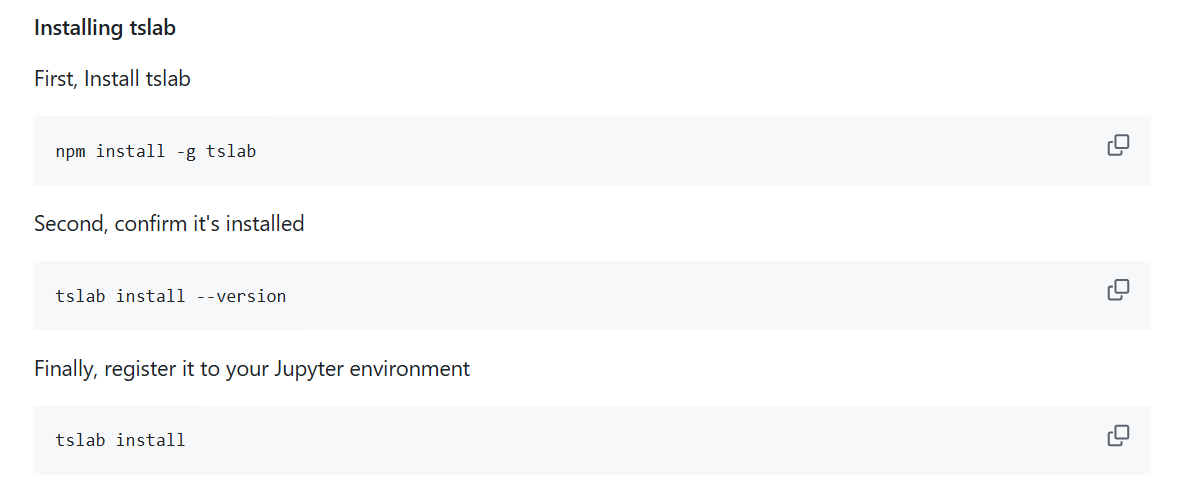
I’ve also been working on minor projects. A example that comes to mind was an addition of the README regarding Jupyter Kernels. It seemed to be of some priority to be added, so I added to the README a JavaScript jupyter kernel called tslab for future use.
Little things like that have certainly been a highlight this trimester.
Overview
Through this assessment and review, I have come to the conclusion that this trimester, despite the trials and tribulations that did arise was effective and much was learned throughout it. I learned how to work in the new team I was in that possessed a dynamic that I yet to have in my other teams; I learned how to code various in Java, a language I had no prior experience; and I had learned to properly manage projects that had limited time frames. So it was certainly effective and much has been learned moving into the next trimester.